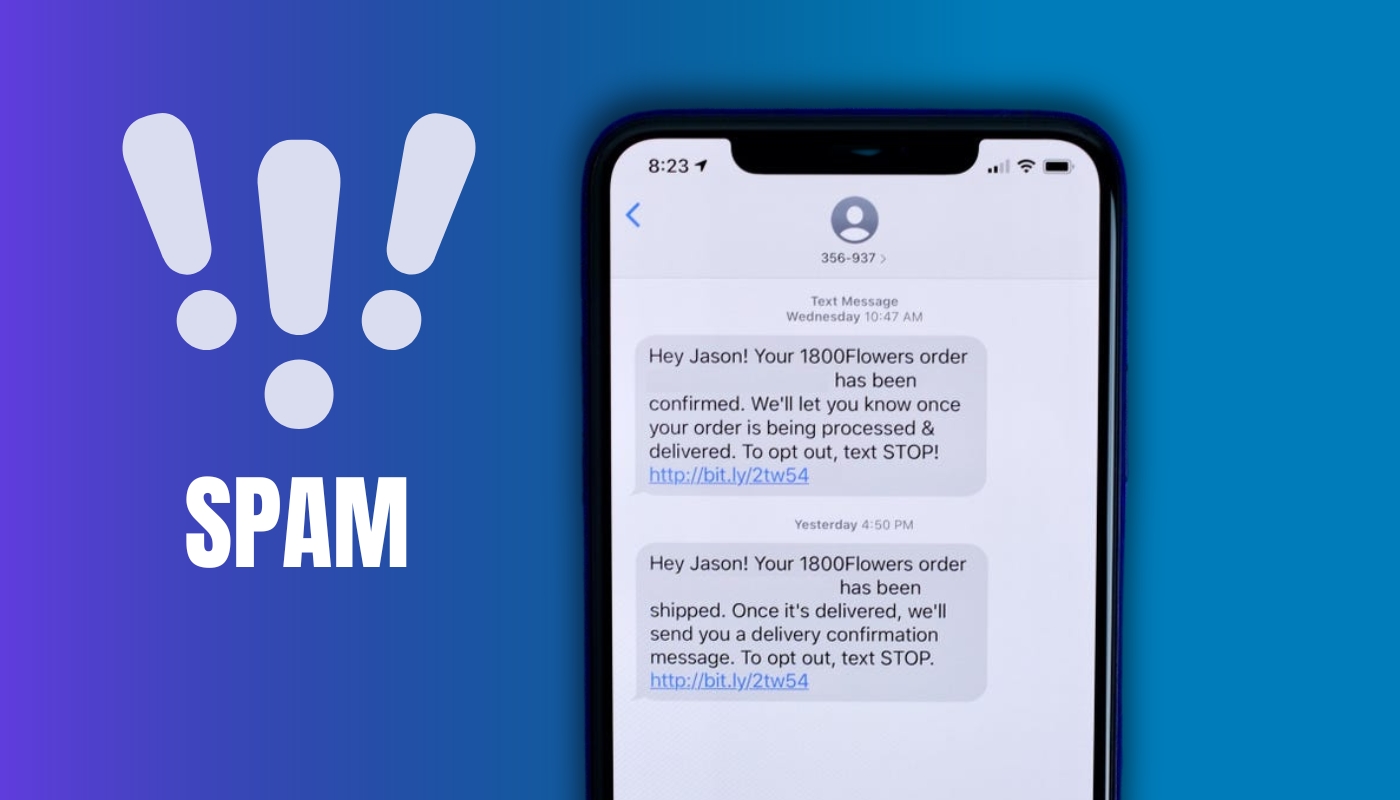
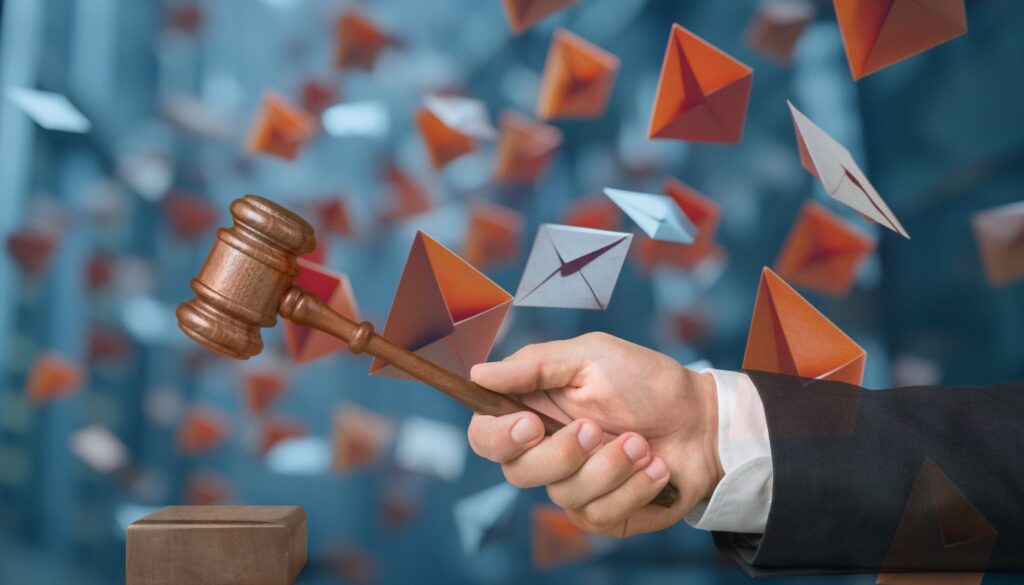
Spam messages have long since become an everyday byproduct of digital communication.
Identifying and preventing these spam messages is critical to protecting your privacy and keeping you safe online.
Modern email clients offer tools that automatically flag and filter suspicious messages, but relying on technology alone can be insufficient.
Key points
Identifying suspicious email addresses is useful.
Use existing spam filtering tools.
User education increases safety.
What are spam messages?
Spam messages are unsolicited content often sent electronically, with the aim of serving unwanted information to recipients. mimic the appearance of legitimate companies in order to mislead users.
Recognition of spam content
Identifying spam messages is critical to protecting privacy and ensuring security. a long string of numbers and letters in the sender's address.
Identifying spam links and attachments can also help.
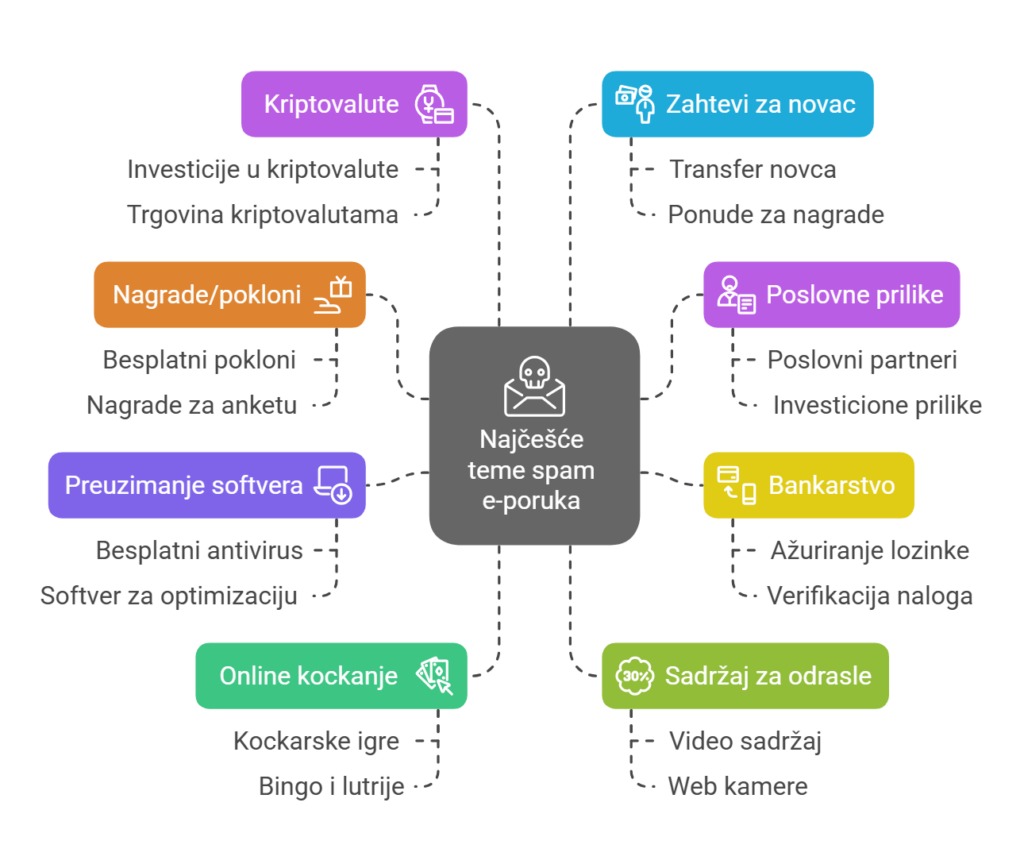
The most common spam email subject lines scammers use to trick users.
One of our hosting clients recently fell victim to spam messages, which caused problems with his email system.
Common goals and techniques of spammers
Spam is often used to spread advertising messages and fraud attempts. fake job offers, sweepstakes and promotions that require data collection.
Most spammers, at least from the experience of clients, friends, and myself, target unscrupulous users who unknowingly disclose their personal or financial information.
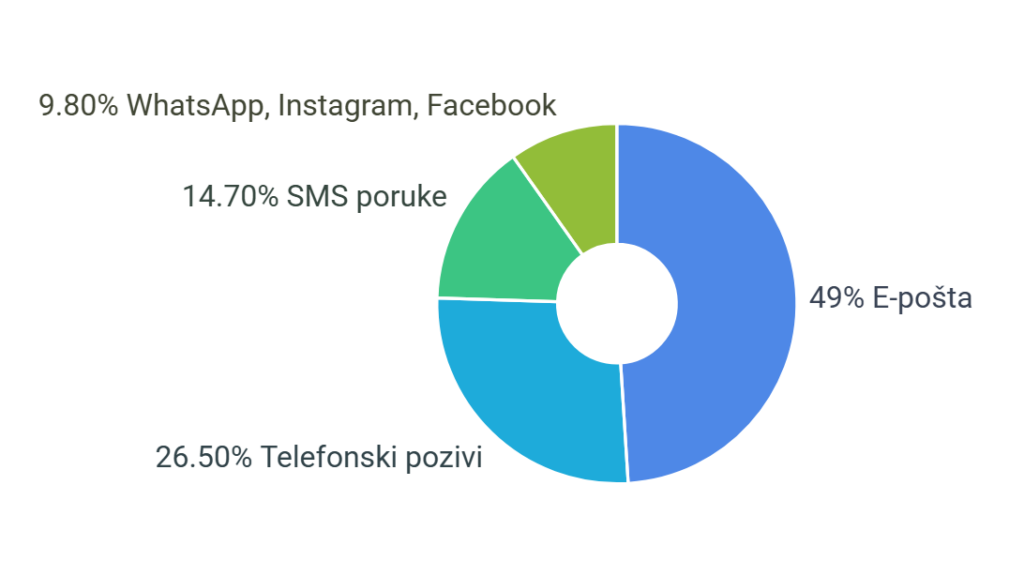
The most commonly used communication channels used by spammers.
What to do about unwanted messages - How to protect yourself?
Over 50% of all emails sent worldwide are spam messages, many of which contain phishing or malware attempts.
Protection against spam messages can be achieved by using advanced spam filters and adjusting communication habits.
Using spam filters
Most modern email clients offer built-in spam filters that automatically redirect suspicious messages from the main inbox to special folders. Gmail and Outlook are examples of services with reliable filtering functions.
Users can further customize the filters to recognize specific patterns of messages they receive frequently.
The only drawback of the filter is that sometimes emails that are important can end up in the spam folder.
Practicing safe communication habits
Secure communication is the basis of preventing spam messages.
Using a VPN (Virtual Private Network) can further improve online privacy and prevent spammers from tracking your location or IP address.
Managing privacy settings on social networks, as well as personalizing information sharing settings can help protect against spam messages. Unknown Senders filter on devices such as iPhone and Android.
There are several effective ways to protect yourself.
Method:
Description:
On your phone
Your phone may have an option to filter and block spam messages or messages from unknown senders.
Through your mobile operator
Your mobile operator may have a tool or service that allows you to block calls and text messages.
Using a call blocking app
Some call blocking apps also allow you to block unwanted SMS messages.
Legal framework and regulation
In many countries, including the US and the EU, laws such as the CAN-SPAM Act and the GDPR regulate the sending of unsolicited e-mail messages and prescribe heavy penalties for violators
It is important to understand how these regulations work in order to effectively protect against online abuse.
Local and international laws
At the national level, many countries have developed laws to deal with the problem of spam messages. legislation in Serbia and Montenegro provides penalties for sending spam messages without the consent of the recipients.
At the international level, the European Union established the General Data Protection Regulation (GDPR) which also provides anti-spam frameworks.
Frequently asked questions
How do I recognize that an email or SMS message is part of a phishing scam?
Phishing scam often relies on impersonation of well-known companies and urgent requests for personal information. URL link, it is very likely that it is a scam.
What should I do if I accidentally click on a suspicious link in a spam email?
If you have clicked on a suspicious link, close the page immediately and do not enter any information.
Can spam messages contain viruses or malware?
Yes, spam messages often contain malicious links and attachments that can download viruses to your device. form of malware are Trojans that can steal data or allow remote access to your system.
How can I report spam messages to the competent institutions?
In Serbia, you can report spam and phishing attempts RATEL (Regulatory Agency for Electronic Communications and Postal Services) or the National CERT.
Is there a way to prevent my email addresses from ending up on spam lists?
To reduce the chances of your email being targeted by spammers, avoid sharing your email address publicly on forums, social networks, and unverified sites.
Does blocking a number really prevent the arrival of new spam messages?
Blocking a number can help stop you from receiving messages from the same sender, but spammers often use different numbers and variations of addresses.
Your privacy is important to us We use cookies to improve your browsing experience, deliver personalized ads or content, and analyze our traffic. cookie policy. By continuing to use the site and not selecting one of the options, you will be deemed to have opted out of the cookie policy
Functional cookies
Always active
Technical storage or access is strictly necessary for the legitimate purposes of enabling the use of a particular service that the subscriber or user has expressly requested, or solely for the purpose of transmitting communications via an electronic communications network.
Settings
Technical storage or access is necessary for the legitimate purpose of storing preferences not expressly requested by the subscriber or user.
Statistical cookies
The technical storage or access that is used exclusively for statistical purposes.Technical storage or access is required to create user profiles to send advertisements or track users on a website or across websites for similar marketing purposes.
Marketing cookies
Technical storage or access is necessary to create user profiles for the purpose of sending advertisements or tracking users on a website or across websites for similar marketing purposes.
 Skip to content