 Skip to content

What is a server?
Servers are the foundation of every modern IT system.
In this article, we will go through the key aspects of servers, from basic definitions to architectures that enable stable and efficient operation.
Introduction to servers
A server is a computer or system that provides resources, data, services, or programs to other computers, known as clients, over a network.
Types of Servers
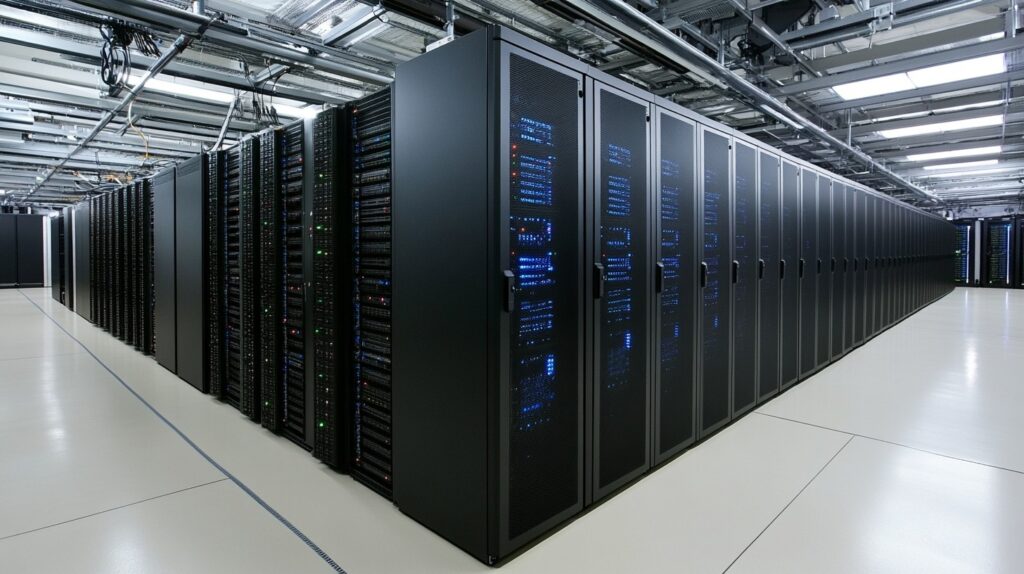
There are many types of servers, each with a specific function and purpose.
- Database server: These servers provide access to and management of databases.
- Web server: These servers are responsible for delivering web pages via the HTTP protocol.
- Dedicated server: Our offer also includes dedicated servers, ideal for users who demand total control and top performance.
- File server: Used for storing and managing files.
- Mail server: These servers manage the sending and receiving of email messages. SMTP for sending and IMAP/POP3 for receiving mail.
Server (Hardware and Software)
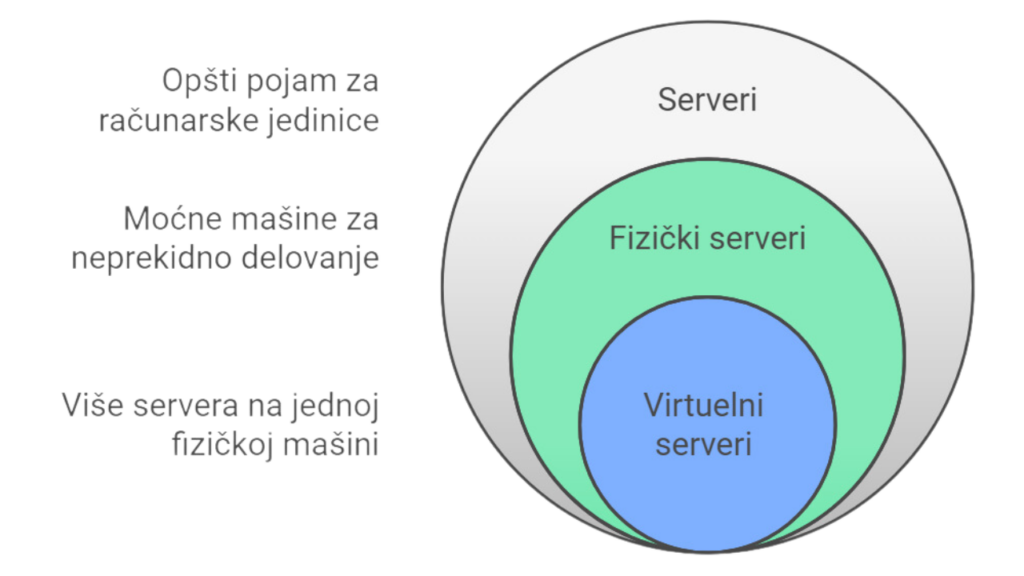
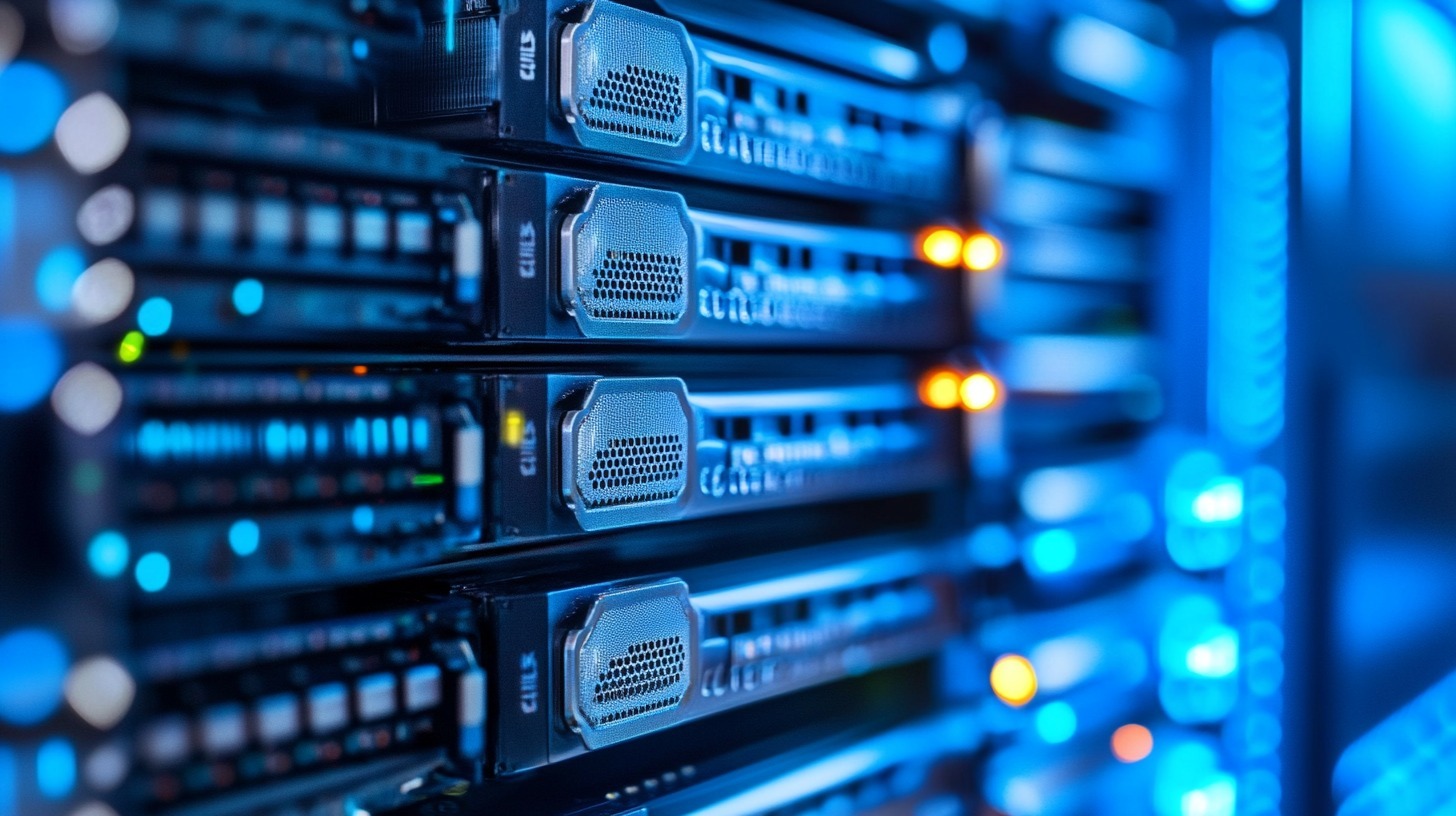
Servers can be physical computers or virtual servers running on physical server hardware.
- Physical servers: These servers are equipped with powerful processors, a large amount RAM memory and redundant data warehouses to enable 24/7 operation without downtime.
- Virtual servers: A single physical server can run multiple virtual servers thanks to a software technology known as virtualization.
How Does Client-Server Communication Work?
Client-server communication is the core of any network-based system.
- The client sends a request to the server over the network.
- The server receives the request, processes it, and sends a response back to the client.
- The client receives the response and uses the data.
Server Security
Server security is one of the most important aspects of modern IT. in order to protect data.
- Firewall: Software or hardware that controls access to a server, filters requests, and prevents unauthorized access.
- SSL/TLS encryption: These protocols enable secure communication between clients and servers, encrypting data to protect it from eavesdropping.
- Authentication and Authorization: Servers require users to log in using a username and password or another authentication method.
Scalability and Server Maintenance
As performance and resource demands increase, servers must be scalable.
- Vertical scalability: Adding resources to a single server (eg adding more RAM or a better processor).
- Horizontal scalability: Adding more servers to the network to increase capacity and efficiency.
Servers are the foundation of modern digital infrastructure.