 Skip to content
JPG and JPEG - what's the difference?
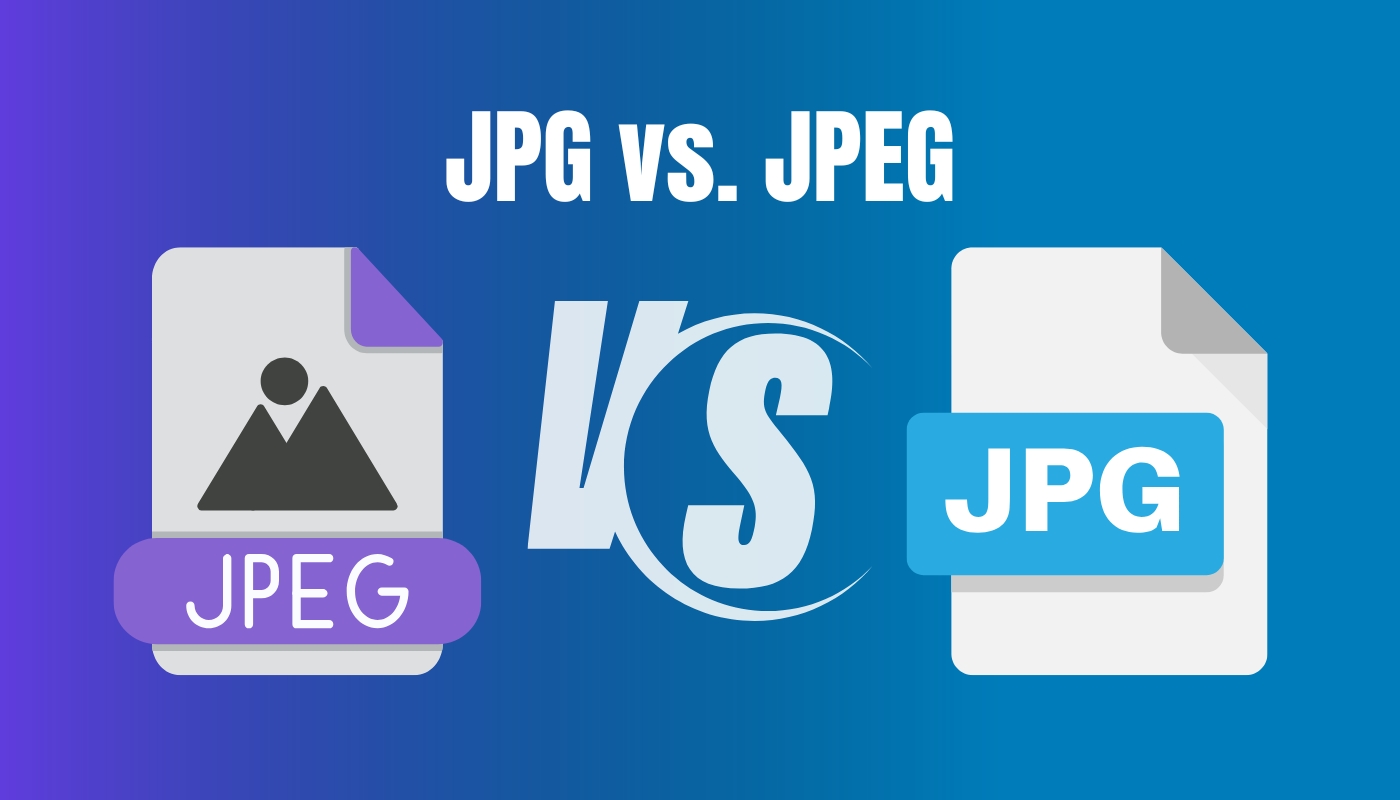
Many digital image users often wonder about the difference between JPG and JPEG formats. Essentially, the only difference between the two lies in the file extensions, where JPG is used as an abbreviation for JPEG.
Despite that, both formats represent the same image quality standards and are applied in a wide range of digital photography.
Key Points
- JPG and JPEG are technically identical, they differ only in extensions.
- These formats are widely used in digital photography due to their small size.
- Understanding these formats helps to better manage image quality.
Basic definition and development over the years
JPG and JPEG are standardized image compression formats, most commonly used for digital photographs.
JPEG, or Joint Photographic Experts Group, It was developed in 1992.
Over the years, the JPEG format has adapted to become the most popular choice for photos due to its ability to reduce file sizes.
Ekstenzija „.jpg“ usvojena je zbog ranih računarskih sistema koji su podržavali samo trokarakteristične ekstenzije. Kao rezultat toga, the JPEG format is often abbreviated to JPG.
In addition to JPG, other synonyms are used, such as JPEG and JPE, which originate from the development and implementation of the format.
Technical differences - What you need to know?
JPG and JPEG formats are often used to store digital images, but there are subtle technical differences that set them apart.
Compression and image quality
When it comes to compression, JPG and JPEG use lossy compression. This can affect image quality, but users often choose this format because it takes up less space.
JPEG, as the latest standard, can provide better compression efficiency, but in the end, the difference between JPG and JPEG is not significant.
Compatibility with operating systems and devices
Both formats are widely supported by various operating systems, including Windows, macOS, and Linux.
The only technical difference regarding compatibility is the length of the extension. JPG uses a three letter abbreviation while JPEG uses four.
Application in practice - JPG vs.
JPG and JPEG formats are widely used in various fields, primarily in digital photography and on the Internet.
Professional use in digital photography
In the field of digital photography, JPG and JPEG formats are often the choice of professionals due to their ability to reduce file sizes without significant loss of quality.
Many cameras automatically capture images in JPG format because of the compression that allows for more images on devices. RAW formats save for post-production.
Web and multimedia use
On the Internet, JPG and JPEG formats dominate thanks to fast page loading. key to SEO, because search engines like Google favor pages that load quickly, which improves rankings and user experience.
Web developers and designers often use these formats for images, because they allow for optimal display on different devices.
These formats are suitable for image galleries, products and banners which need to be loaded quickly.
Advantages and disadvantages of JPG/JPEG format
The JPG/JPEG format offers several advantages, but also has certain disadvantages that affect the choice.
Factors influencing the choice of format
- Image quality plays a significant role.
- Loading speed can be crucial.
- Compatibility is another important factor.
For large prints or professional use, PNG or TIFF format may be a better choice due to the unreduced quality.
Conclusion and recommendations for use
JPG and JPEG are commonly used image formats, but they have their specific advantages and disadvantages.
Recommendations for use:
| Criterion | Recommendation |
| Image quality | JPG is optimal for digital photography and web content. |
| Compression | JPG is ideal because of its lossy compression, but there may be a loss of quality. |
| Websites | JPG is often the best choice because of the balance between quality and file size. |
| Printing | For large prints, a lossless format such as TIFF is recommended. |
| Alternative formats | For transparency or animation, PNG or GIF are used. |
Using the right format can significantly affect the success of visual content.
Frequently Asked Questions
Answers to frequently asked questions help clarify all aspects of JPG and JPEG formats, their characteristics, conversion procedures and advantages over other formats.
How do I convert an image to JPG format?
Converting an image to JPG format can be done using a variety of software tools.
What are the advantages of using JPG format for images?
One of the main advantages of using the JPG format is its ability to significantly reduce file size.
How does image quality change when converting to JPG format?
Image quality may decrease when converting to JPG format due to lossy compression.
What are the best tools for converting images to JPG format?
There are many tools for converting images to JPG format, including Adobe Photoshop, GIMP, and online tools like Zamzar and Convertio.
How are JPG and JPEG formats used on different CMS platforms?
The majority popular CMS platforms, including WordPress, Joomla and Drupal, supports JPG and JPEG formats without problems. WordPress, for example, automatically optimizes images on load to improve site performance.