


Dedicated server vs.
Understanding their strengths helps in choosing the solution that best suits your business goals.
Properly selected infrastructure directly affects work efficiency, data security and long-term costs.
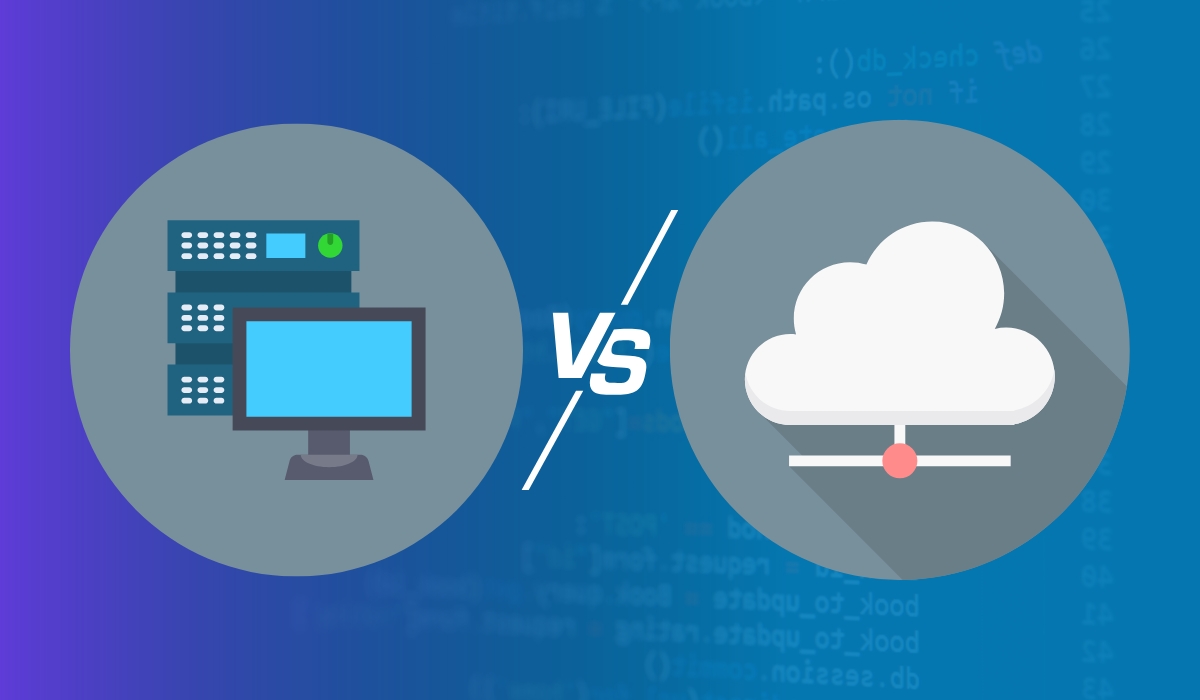
Key points
- Dedicated servers provide consistent performance and greater control.
- Cloud hosting allows for easy scaling and flexible payment.
- The choice depends on the needs, budget and technical requirements of the project.
Basic differences between dedicated servers and cloud hosting
Dedicated server and cloud hosting differ in setup, resources, access and ownership.
Defining a dedicated server
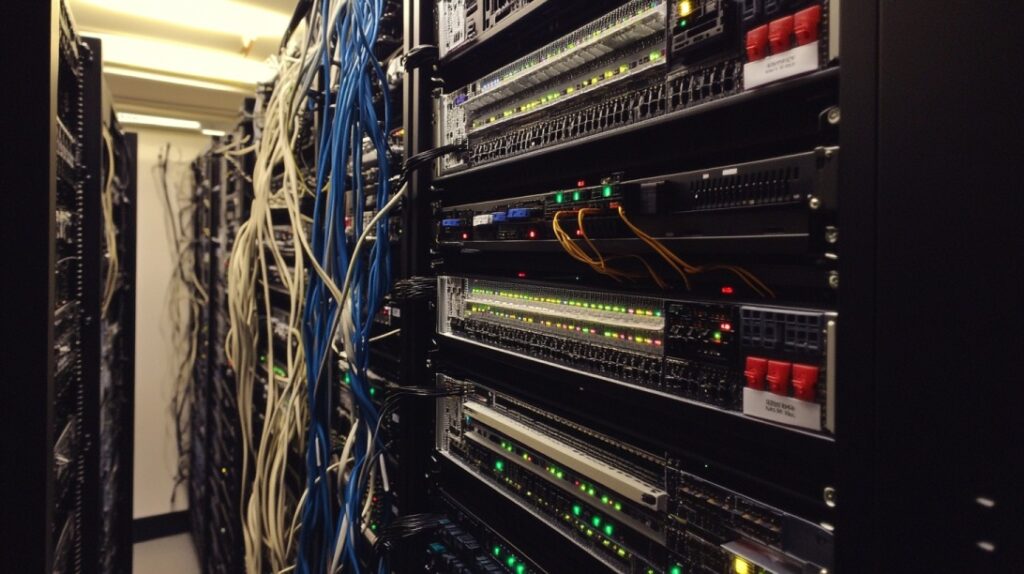
A dedicated server is a physical machine reserved exclusively for a single user or organization.
Setup and configuration time can be lengthy, as it requires physical access and installation of equipment.
What is cloud hosting?

Cloud hosting uses a network of connected virtual servers distributed across multiple physical machines.
If a failure occurs on one server node, others automatically take over its function, which ensures high availability of services and minimal interruptions in work.
| Characteristic | Dedicated server | Cloud hosting |
| Resources | Fixed and reserved | Dynamically, as needed |
| Performance | Stable, not dependent on other users | Variable, depending on network load |
| Reliability | Depending on the physical hardware | High, due to redundancy between servers |
| Scalability | Limited, requires physical modifications | High, can expand or shrink quickly |
| Setup time | Longer, includes installation and configuration | In short, it can be activated in a few minutes |
Ownership and access models
With dedicated servers, the user generally owns or rents dedicated hardware.
Cloud hosting is based on sharing hardware resources with other users, but in an isolated and virtualized way.SaaS) or infrastructure as a service (IaaS).
Advantages and disadvantages of dedicated servers
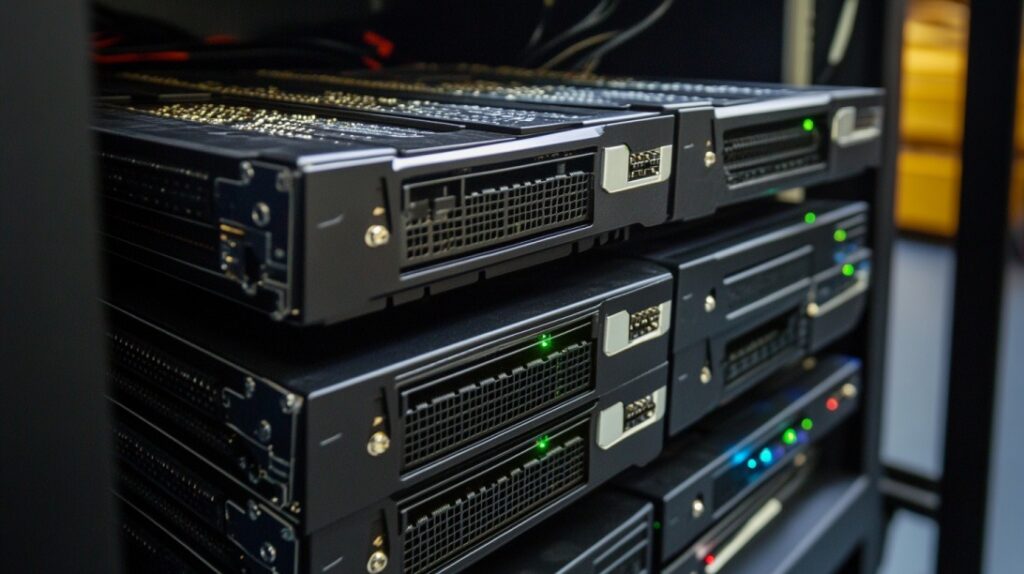
Dedicated servers offer full control and resources reserved only for the user.
Advantages of a dedicated server
A dedicated server allows full control over hardware and software, which is important for specific requirements and high data security.
Also, the user can customize the server according to his own needs, including the operating system, security protocols and applications.
Limitations and challenges
Dedicated servers have a more expensive maintenance cost compared to cloud solutions.
Physical hardware can be a risk in the event of a failure, as it is not easy to scale resources or replace them quickly.
Managing security, updates and hardware maintenance within an organization takes time and expertise, which can be challenging for smaller teams or companies without an IT department.
| Dedicated server | Comment |
| Full control over resources | Ideal for custom requirements and security |
| High costs and demanding management | Required knowledge and maintenance infrastructure |
| Limited scalability | Requires physical investment for upgrades |
Advantages and challenges of cloud hosting

Cloud hosting brings special features that affect the performance and management resources.
Advantages of cloud hosting
Cloud hosting enables rapid deployment – content and applications can be deployed in minutes.
Upgrades and maintenance are automated and managed centrally, reducing time and costs.
Configuration flexibility and pay-per-use allow for more effective cost control compared to static dedicated server resources.
Potential disadvantages
One of the challenges of cloud hosting can be the dependence on internet connection and network infrastructure.
Security can be problematic if adequate measures are not implemented;
Also, for specific applications that require constant and predictable processor power, cloud hosting can be more expensive due to the pay-per-use model and resource variability.
How to choose between dedicated servers and cloud hosting

The choice between dedicated server and cloud hosting depends on specific project requirements, security needs and budget.
Assessment of needs and goals
First, it is necessary to clearly define the types of applications and the scope of work.
For dynamic business models with changing requirements, cloud hosting is more suitable because it enables fast allocation of resources and integration with different services.
Security aspects
Dedicated servers are located in secure data centers where the user has exclusive access.
Cloud hosting provides protection through redundant systems and automated backups.
Scalability and cost
Scalability is one of the key differentiators.
A dedicated server has fixed resources that require physical upgrades.
Frequently Asked Questions
Can I combine dedicated server and cloud hosting for my business?
Yes, hybrid models are becoming more and more popular.
How does internet connection speed affect the choice between dedicated servers and cloud hosting?
If your organization has a limited or unstable Internet connection, a dedicated server in a local data center may be a more secure option.
Which solution is better for companies planning international expansion?
For international expansion, cloud hosting is usually a better choice because it allows resources to be quickly deployed across geographic locations, reducing latency and improving user experience around the world.
Is it easier to migrate applications from cloud hosting to a dedicated server or vice versa?
In most cases, migrating from cloud hosting to a dedicated server can be more demanding due to different technologies and dependencies.
How does the choice affect server management automation capabilities?
Cloud hosting usually comes with built-in automation tools such as scaling, monitoring and backup.